Fire protection for auto shops & garages
Flammable liquids, hot work and welding need the right class of unit nearby.
What we focus on here
- Class B coverage where flammable liquids are handled
- Units positioned near welding and hot work
- Protection for paint, parts washing and solvent storage
- Rugged mounting that survives a working bay
Fire safety guide
Auto Shop Fire Safety Tips for Flammable Liquids, Welding, and Hot Work
Auto shops face fuel, solvent, electrical, battery, and hot-work hazards in the same space. Good housekeeping and disciplined work permits prevent small mistakes from becoming serious fires.
Store and handle flammable liquids correctly
Gasoline, solvents, paints, and other flammable liquids need approved containers, controlled quantities, and storage appropriate to the product and operation. Clean spills promptly using the site procedure.
- Keep containers closed when not in use.
- Keep ignition sources away from fueling and solvent work.
- Use approved waste containers for oily rags and solvent-contaminated materials.
Control welding, cutting, and grinding
Hot work creates sparks and heat that can travel farther than expected. Remove combustibles, shield nearby materials, and use a written permit and fire-watch procedure where required.
Protect vehicles and service bays
Do not block exits, extinguishers, electrical panels, or sprinkler controls with vehicles, lifts, tires, or parts. Identify gas shutoffs and emergency disconnects, and keep spill control materials accessible.
- Inspect charging leads and battery equipment for damage.
- Keep combustible storage away from heaters and weld areas.
- Maintain clear travel paths around lifts and bays.
Respond to a small fire safely
- 1Alert and call — Warn others, activate the emergency procedure, and call 911.
- 2Shut down only if safe — Stop fuel flow or electrical equipment only when the control is accessible without entering the hazard.
- 3Use the rated extinguisher — Use an appropriate extinguisher only for a small, contained fire with an exit behind you.
- 4Evacuate when in doubt — Leave immediately if the fire involves a vehicle fuel system, spreading liquid, batteries, or heavy smoke.
A shop should have an emergency plan that identifies who calls 911, who meets responders, and how to account for employees and customers.
Service extinguishers for the actual hazard
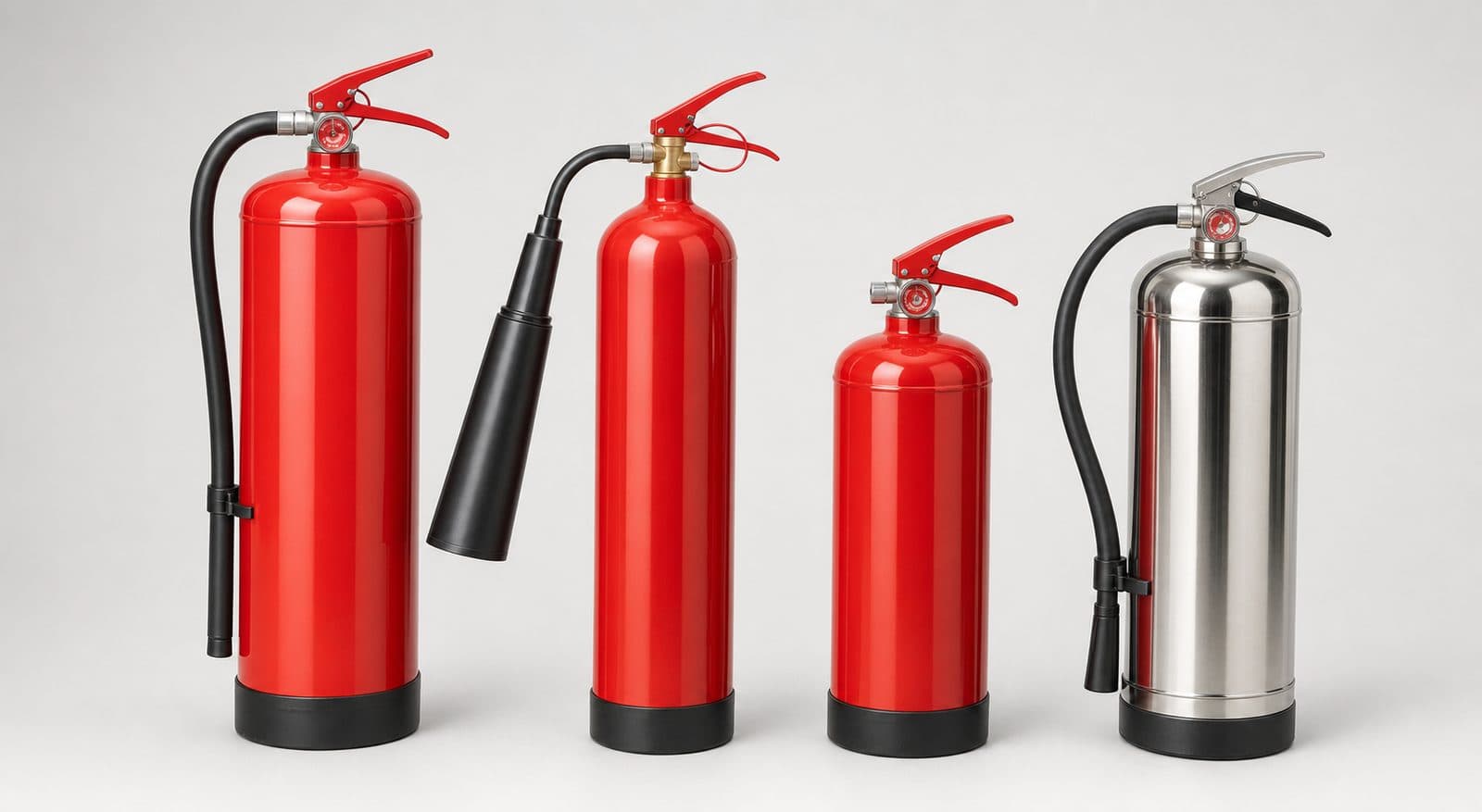
ABC dry chemical units are common for mixed shop hazards, but the exact selection and placement must fit the work and local Tennessee AHJ requirements. Follow NFPA 10 (2022 Edition) for inspection and maintenance.
Read this guide on its own page, or browse the full fire safety library.
No reason to delay
Submit one short form and we will give you a free, guaranteed, exact-price bid before we do any work.